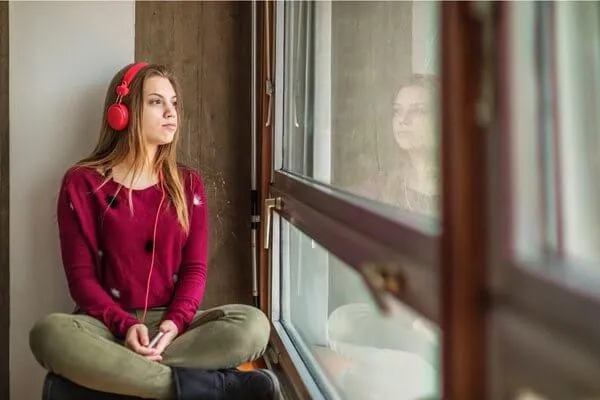
When Your Teen Feels Lonely: How to Help Them Reconnect and Rebuild Confidence
Gentle, practical ways to support your teen through loneliness

Have you noticed your teen isn't quite themselves lately? Maybe they've lost their spark. They spend hours in their room, they've started avoiding things they used to love, and when you try to talk to them, they shut down.
You might be thinking: "I don't know how to help. They won't talk to me. I feel like I'm failing them."
If this sounds familiar, please know that you're not alone in feeling this way.
Here's something I don't often share, but I think it matters: I feel lonely too sometimes. Even though I have some great friends, loneliness doesn't discriminate. It doesn't matter if you're a teen surrounded by classmates or an adult living in a beautiful beach town - loneliness isn't about being alone. It's about feeling disconnected. It's that deep sense of not quite fitting in yet, of being unseen, of wondering if you'll find your people.
And when it lingers, whether you're 14 or 40, it quietly chips away at your confidence and sense of belonging.
As a youth mentor, I work with teens and tweens every who navigate this exact feeling. And I'm here to share what I see working, not as a parent, but as someone who gets to walk alongside young people as they find their way back to connection and confidence.
Teen loneliness is more common than most people realise. Your teen might be surrounded by classmates and online friends yet still feel completely alone inside. They just want to fit in, but something's shifted. They're quieter, more withdrawn, and it seems like everything knocks their confidence.
The hopeful news is that connection can be rebuilt. And there are gentle, practical ways you can support them.
Why Teens and Tweens Feel So Lonely Right Now
There's never been a generation more "connected" online yet so many young people feel completely alone. Here's why teen loneliness is increasing:
Social media creates false connection. It leaves teens comparing themselves and feeling less-than. They care way too much what others think, and it's exhausting.
Friendship dynamics shift rapidly. Especially in early high school, social groups can change quickly. Even confident kids can suddenly find themselves on the outer.
Fear stops them from reaching out. They overthink everything and worry about rejection, awkwardness, or being "too much."
Anxiety fuels avoidance. The more self-doubt builds, the harder it becomes to show up socially. They might be anxious all the time, and it can be paralysing.
Underneath all of this is a quiet belief: "I'm not good enough. I don't like who I am."
What Teen Loneliness Actually Looks Like

When young people feel disconnected, you might notice:
More screen time, less motivation to leave the house
Being hard on themselves or withdrawing from conversations
Avoiding school, social events, or activities they used to love
They shut down when you try to talk to them
Lower self-esteem - they can't see how amazing they are
It's not that they don't want connection, they just don't know how to bridge the gap anymore.
I've seen this in mentoring sessions. A teen will tell me they have friends, but when we dig a bit deeper, they don't feel truly seen by anyone. That's the loneliness that really hurts. They might have 30 people to sit with at lunch, but no one who really gets them.
6 Ways to Help Your Lonely Teen Reconnect
1. Prioritise Quality Over Quantity
Teens don't need a huge group of friends. They just need one or two safe people they can be themselves around. People who give them that "oh, someone gets me" kind of feeling.
I worked with a 13 year old girl who told me she had "no friends." When we explored it together, she realised she actually had one person who really got her but she'd been so focused on the big friendship group that excluded her, she hadn't noticed. Once she shifted her focus to that one solid connection, things started to feel a bit lighter.
You could gently ask them: "Who do you feel most comfortable being yourself around lately?"
2. Create Opportunities, Don't Force Them
Instead of getting them to "just join a club," help create low-pressure opportunities for them:
Invite one friend over for a chill movie night
Suggest activities based on their genuine interests. Love gaming? Look for a local gaming club or Discord community. Into art? Check if there's a weekend workshop at the community centre. Obsessed with dogs? Volunteer at the local animal shelter together.
Encourage offline hobbies that help them feel grounded
When connection is built around shared interests, it feels natural, not forced.
3. Model Real Connection
Young people learn by watching so if you can show them what real belonging looks like through your own friendships and community connections they'll notice. Talk about how good connection feels - that warm, grounded sense of being part of something.
Even something simple like "I had such a nice chat with Sarah today, I always feel better after we catch up" plants a seed about what healthy connection looks like.

4. Validate First, Fix Later
When they say "I have no friends" or "No one likes me," they need to feel heard, not fixed.
You Could Try: "I can see that really hurts. Feeling left out is an awful feeling."
Validation builds trust. And trust creates space for them to open up to you when they're ready.
5. Break Socialising Into Tiny Steps
For anxious teens who overthink everything, help them see that it doesn't have to be all or nothing:
Smile at someone at school
Say hi to a classmate
Send a quick message to an old friend
Join one low-key activity
It happens with tiny steps. Each small action builds confidence and helps them bounce back after setbacks.
6. Talk About Healthy Online Boundaries
Help your teen notice how they feel after scrolling. Ask them if they feel energised or drained? Calm or more anxious? Encourage regular digital breaks and balance with real-world experiences that help them feel good about who they are.
What Doesn't Help (And What to Try Instead)
Sometimes knowing what NOT to say is just as helpful:
Instead of saying: "You have plenty of friends!" → You could try: "That sounds really hard right now."
Instead of forcing: "Just text someone!" → You could try: "Would it feel okay to reach out to [specific person]?"
Instead of dismissing: "Everyone feels lonely sometimes." → You could try: "I can see this is really affecting you."
Instead of comparing: "I had it worse at your age." → You could try: "Tell me more about what's going on for you."
The goal isn't to fix it immediately. It's to keep the door open so they know they can come back to you.
When Loneliness Needs More Support
If your teen's loneliness comes with significant changes - like not eating properly, sleeping way more or less than usual, losing interest in everything, or any mention of self-harm - it's time to reach out to your GP or a counsellor. Loneliness and depression can overlap, and it's always better to check in with a professional if you're genuinely worried.
Trust your gut. You know your kid.
The Hopeful Part
Teen loneliness feels heavy but it's not permanent.
When teens start reconnecting, even in tiny ways, their spark slowly comes back. They smile more, laugh more, and begin to see that they do have a place in the world.
You want them to feel confident being who they are. You wish they could see what you see. You want to see them smile again.
That's possible. And even small steps forward matter more than you realise.
I'm taking those steps myself here too. I live on my own with my dog Dave on the Northern Beaches, where I recently moved, and while I know a few people, I'm not close to anyone yet. So I'm practising what I've shared with you - saying hi at my local cafe, chatting to dog owners at the beach, showing up to community events even when it feels scary. Some conversations go nowhere, but occasionally one sparks a nice warm feeling of connection and it's slowly getting easier. If I can do it at 40 something in a new town, your teen can do it too 😊

When Your Teen Needs Extra Support
Sometimes young people need a safe place to feel seen and supported outside the home.
Through 1:1 mentoring for teens and tweens, I work with young people who feel stuck in loneliness, low self-worth, low confidence or feel anxious. We talk about friendships, confidence, anxiety, and finding their people in a way that feels supportive, not therapy-ish or preachy. Together, we focus on tools to help flip the switch on these feelings.
If you're curious to see if it's the right fit, you can book a free 15 minute Connection Call with me here. No pressure, just a friendly chat to see what it's all about.
If your teen is struggling to find their place right now, mentoring can give them the support and tools they need to reconnect with others, and with themselves.
Annabel 💛

