Rituals That Help Sensitive Kids Feel Like Themselves: Simple Reset Strategies for Anxious Tweens and Teens
Discover how simple rituals help sensitive and anxious kids manage big feelings and feel grounded. Practical support tips for tweens and teens who feel everything deeply.

Does your sensitive or anxious tween or teen have that thing they do when the world feels like too much? Maybe it's wrapping themselves in a specific blanket, listening to the same song on repeat, or needing their water bottle filled just right.
If you're the parent of, or know a sensitive or anxious kid, you might have noticed these patterns which are actually brilliant coping mechanisms that can help kids to self regulate. These little rituals can be really powerful - they're like reset buttons when everything feels overwhelming and too big.
Why Rituals Matter for Sensitive Kids
For kids who feel everything deeply, the world can be a lot. School noise, friendship drama, unexpected changes, even good things, can tip them into overwhelm. When their nervous system is over stimulated, they can't always find the words to explain what's happening.
If you're not sure if your child is highly sensitive, Dr. Elaine Aron, who pioneered research on highly sensitive people, has created a quiz for parents that can help you recognise the traits. Many parents have that lightbulb moment when they realise their child isn't "too much" they're just wired to feel and process things more deeply.
That's where rituals come in.
And they don't have to be anything fancy. It's just something familiar that signals to their body: "You're safe. We've got this. Let's reset."
Common Calming Rituals for Sensitive and Anxious Kids
It might be:
Making the same snack the same way after school (predictability helps anxious brains feel safe)
Sitting in a specific spot to decompress (a designated calm space)
Cuddling the dog before bed (physical comfort and nervous system regulation)
Lighting a candle while doing homework (sensory grounding)
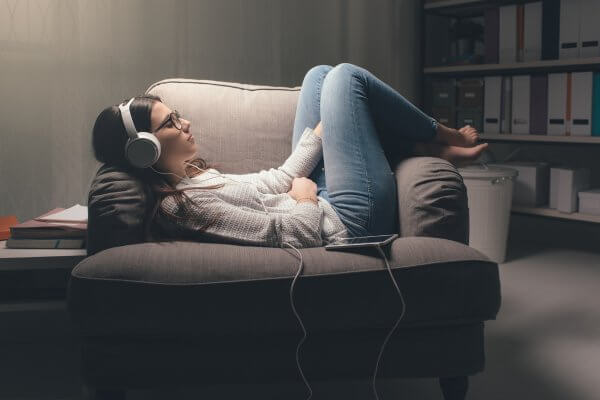
Listening to a particular playlist on the bus (auditory reset)
Rewatching the same comfort show (familiar narratives feel safe)
Taking a hot shower at the same time each evening (routine and sensory input)
The ritual itself matters less than what it does. It gives them something predictable in an unpredictable world. For sensitive children and anxious tweens, this predictability isn't rigidity, it's emotional regulation.

What Works with Anxious Tweens and Sensitive Teens
Sometimes kids don't know how to say that they're feeling anxious. But they do know what it feels like to have a tight stomach, or a heavy chest, or if they just feel "off." Their bodies know before their brains catch up. (You can read more about helping kids tune into their body signals here)
When they have rituals they can lean into, those physical feelings become easier for them to manage. The ritual becomes a bridge between "everything is too much" and "okay, I can handle this."
Real Examples of Reset Rituals That Help
A tween who needs ten minutes alone in their room before they can talk about their day (respecting their need to decompress first)
A teen who journals for five minutes every morning, even if it's just scribbles (processing emotions before the day begins)
A kid who rereads the same comfort book when life feels chaotic (finding safety in familiar stories)
A young person who uses affirmation cards when feelings are too big and words are too hard (tangible support they can hold onto)
These aren't avoidance behaviours, they're self-regulation strategies. When sensitive and anxious kids learn what helps them reset, they're building emotional intelligence and coping skills that will serve them their whole lives.

How You Can Support Your Sensitive Child (Without Being Pushy)
You don't need to create rituals for your child. They probably already have some, even if you haven't labelled them that way yet.
What helps is noticing and honouring them:
Notice Their Natural Self-Regulation Patterns
Pay attention to what they naturally gravitate toward when they're disregulated. Do they disappear into their room? Make art? Move their body? Listen to music? That's valuable information about what helps their nervous system calm down.
Honour Their Comfort Needs (Even When They Seem "Too Old")
Don't dismiss the "small" things. If they need their stuffed animal at age 13 or want to wear the same hoodie three days in a row, it's probably serving a purpose. Sensitive tweens and teens still need comfort objects, and that's completely normal and healthy.
Protect Time for Their Rituals
Create space for rituals in the routine. If they need time alone after school before they can engage, protect that time. If they need a specific bedtime routine, honour it even when it's inconvenient. This isn't spoiling them, it's supporting their emotional regulation needs.
Model Your Own Self-Care Rituals
Model your own. Let them see you taking care of yourself with your own rituals, whether it's a morning coffee routine, an evening walk, or a Sunday reset. When anxious kids see adults prioritising self-regulation, they learn it's not just okay, it's essential.
The goal isn't to fix them or make them less sensitive. It's to help them understand that sensitivity isn't a flaw. It's part of who they are, and having rituals can help them navigate it with confidence and self-compassion.

When They Need Something in the Moment: Tools for Big Feelings
Sometimes rituals are planned, and sometimes kids need something right now when everything feels too big and their anxiety is spiking.
That's why I created affirmation cards for sensitive and anxious kids. They're simple reminders that feelings pass, bodies are wise, and hard moments don't last forever. When words feel impossible, holding a card that says exactly what they need to hear can be the reset button they're looking for.
These work especially well for:
Kids who shut down when overwhelmed and can't articulate what they need
Anxious tweens at school who need a discreet tool they can use anywhere
Sensitive teens who struggle to self-soothe and need external reminders
Moments when you're not physically there to support them
Understanding Why Rituals Work: The Nervous System Connection
The sciency bit is that sensitive and anxious kids often have nervous systems that get activated more easily. Their stress response kicks in faster and can stay activated longer, which is why they might seem "dramatic" or "overreactive" when really, their bodies are just doing what they're wired to do.
Rituals work for anxious children because they:
Signal safety to the nervous system through repetition and predictability
Engage the senses which helps ground them in the present moment instead of their anxious thoughts
Create predictability which reduces the brain's need to stay on high alert
Build agency and confidence because they're actively choosing to care for themselves
You're not creating dependency, you're teaching self-regulation skills. Eventually, many sensitive kids internalise these tools and adapt them as they grow into young adults and hopefully take with them into adulthood. I am a sensitive soul and I wish I had these insights when I was younger - I only started learning about these tools in my late 30's!

When to Seek Additional Support for Your Anxious Child
While rituals are incredibly helpful for sensitive and anxious kids sometimes they need more support. Consider reaching out to a professional if:
Rituals become so rigid they interfere with daily life or cause distress when interrupted
Your child can't function without specific rituals (this could indicate OCD)
Anxiety is increasing despite having coping strategies in place
They're avoiding school, friends, or activities they used to enjoy
Physical symptoms (stomachaches, headaches, nausea) are frequent and intense
They express thoughts of self-harm, extreme hopelessness, or feeling worthless
Their anxiety is impacting their sleep, eating, or ability to concentrate
Rituals should help your sensitive child feel more capable, not more limited. If you're unsure whether what you're seeing is normal sensitive-kid behaviour or something that needs professional support, trust your instinct and reach out for guidance.
The Bottom Line: Celebrating Sensitive Kids
Sensitive kids aren't broken. They're deeply feeling humans trying to make sense of a world that doesn't always make sense. Rituals give them something steady to hold onto when everything else feels shaky.
You're helping them learn how to take care of who they are, and that is a pretty amazing gift that you can give them.
When your tween or teen finds what works for them - whether it's a specific routine, a comfort object, affirmation cards, or just ten minutes of quiet - celebrate it. That's them learning to listen to their body, honour their needs, and regulate their emotions. Those are life skills that will serve them forever.
Annabel 💛

