

Hi I'm Annabel!
I'm a Youth Mentor, Workshop Facilitator & Founder of
Heartful Humans
What actually is a Youth Mentor?
A trusted adult outside of a young persons circle,
to listen, guide and support them
Someone they can talk to who isn't a parent, teacher, or friend
A safe confidential space where they can be fully honest, vent and get things off their chest
Someone who listens and meets them where they're at
Someone who is there to guide, not fix or heal
An opportunity for them to talk things through
Another person they can chat and connect with and build life skills with
As a kid, I was never great at talking about my feelings. I was a pro at burying them and telling everyone I was fine. And eventually they would come out anyway, usually over something completely unrelated.
It took me a long time to learn that feelings need to be felt and not just named or pushed aside. Now, that's what I'm passionate about helping young people do. To notice what's actually going on inside for them, feel and express it without fear or judgement in whatever way feels right for them. As the saying goes, you've gotta feel it to heal it!
Adolescence is a pretty wild ride when you think about it!
Physically, mentally and emotionally, everything is changing all at one and I just don't feel like young people are given enough credit for what they go through during these years. They all need extra support, compassion and guidance from the adults around them while they navigate all the changes.
It's a tough gig for parents too. Many feel disconnected, worried or just unsure - is this normal? What should I say or not say? Are they actually fine or just really good at pretending? I am over or under reacting?
You don't have to go through any of this on your own and neither does your young person. Whether they're the chatty type or the 'I'm fine' type, there is support for everyone.
How I Can Help
1:1 Mentoring
A safe, calm, confidential space for young people to chat, share and express themselves without judgment.

Workshops
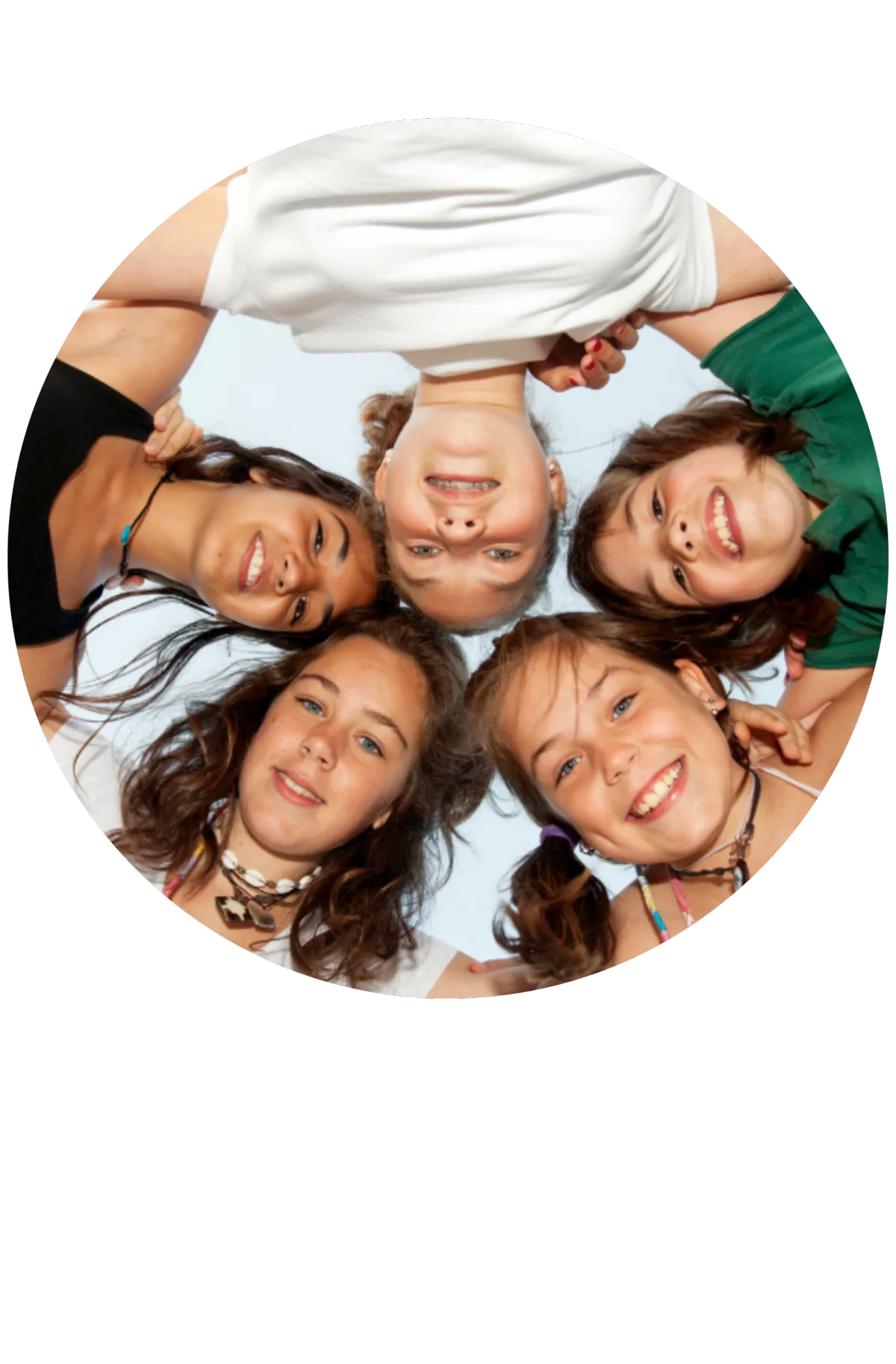
Pratical, engaging sessions on topics like self-esteem, friendships, emotions, body image and more
Main concerns from parents and caregivers
Losing connection with their kids
Peer pressure and friendships issues
Body image
Sudden explosions or overreactions
Their physical, emotional and mental health
Whether they're genuinely happy
The impact of social media
Whether they're making good decisions
Getting caught up in the wrong crowd
What Young People Often Experience During This Stage

Low confidence or self-esteem
Disconnection with parents
Anxiety, worry, stress, overwhelm
Big reactions to small triggers
Withdrawing from school, family or social occasions
Difficulty communicating what's really going on
Feeling like something is wrong with them or like they don’t fit in
Not wanting to burden anyone with what they're carrying